
Wine & Life
Wine wants a little attention
When to open it, what to pour it into, how cold to serve it and what it goes with. None of it is science, and you will learn most of it in one evening.
Wine and food
What goes with what
The old rule says white with fish, red with meat. It works, but it is blunt. It is better to look at the weight of the food and the wine — light with light, bold with bold.
Young, loudly aromatic, with a muscat nose.
- Goat's and fresh cheese
- Summer salads with fruit
- Grilled fish
- Thai and Vietnamese dishes
Fresh, with a scent of gooseberry and cut grass.
- Goat's cheese
- Asparagus and green vegetables
- Fish with herbs
- Salads with vinaigrette
Slim and mineral, with high acidity.
- Freshwater fish
- Sushi and seafood
- Sour soups
- Dishes with lemon
Light and easy to drink, with gentle acidity.
- Bryndza halušky
- Fried schnitzel
- Asparagus and young vegetables
- Potato pancakes
Aromatic and full, often with a hint of sweetness on the finish.
- Duck and goose
- Blue cheeses
- Apricot cakes
- Spicy Asian dishes
Fruity rosé with notes of red berries.
- Grilled vegetables
- Salmon and trout
- Ham and cold platters
- Summer salads
Pairings are general, based on the character of each variety.
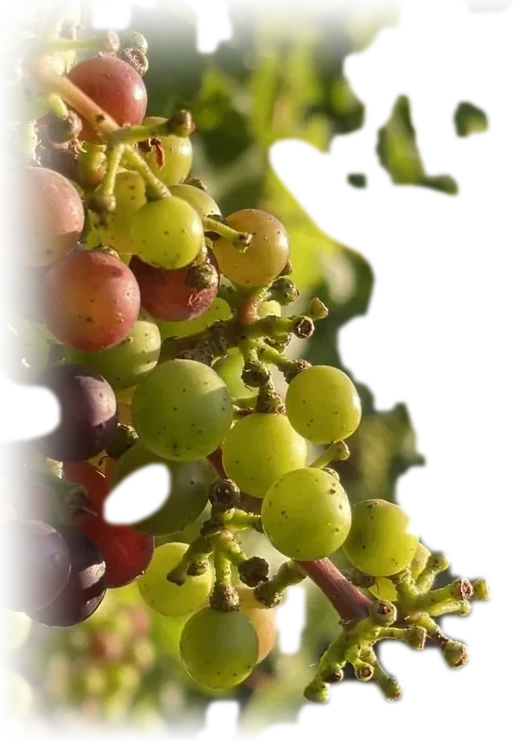
Since when?
The taste of good wine
The oldest evidence of winemaking comes from the Caucasus and is seven to eight thousand years old. Before wine reached us, it passed through Greece, Rome and monastery cellars — and everywhere it kept something of the local custom.
The most interesting thing about what we drink today is how little has changed. Grapes, yeast, time. The rest is care and patience.
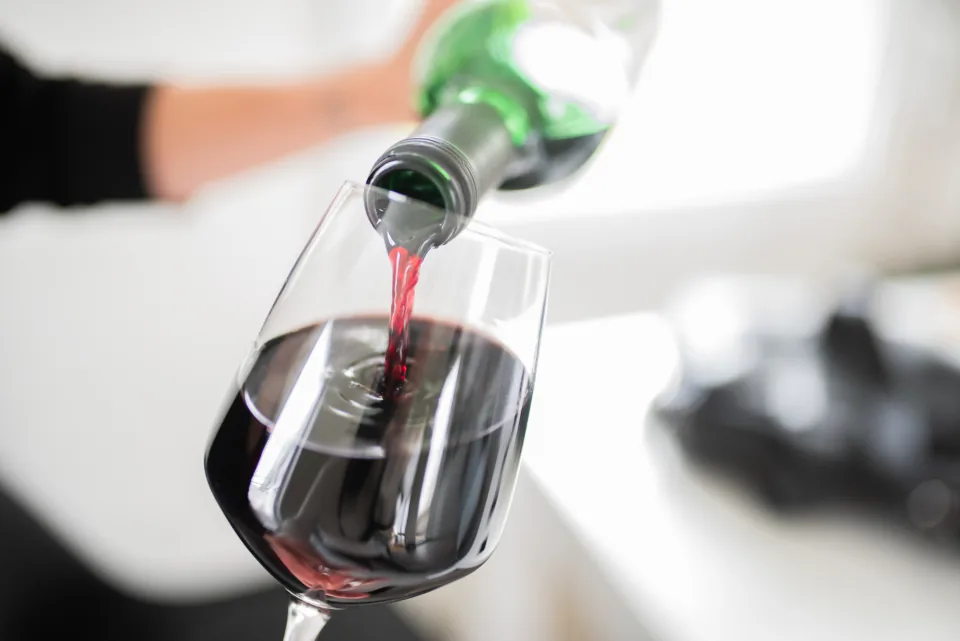
Temperature
How many degrees?
A fridge sits at around 5 °C, a living room in winter at 22 °C. Neither is right. Drag the scale and you will see what to serve at each temperature.
- Sparkling wine and frizzante6–8 °C
- Aromatic whites8–10 °C
- Dry whites and rosés10–12 °C
- Reds14–18 °C
The ranges are general recommendations for these wine types, not winery rules.
How to
Eight things even a beginner will notice
-
When
Nose and palate are most sensitive before a meal, not after. For a serious tasting, set aside the late morning or early afternoon.
-
Glass
A tulip shape with a narrowed neck keeps the aroma inside. Pour a third — the rest of the space is not wasted, it is there for the aroma.
-
Colour
Tilt the glass over something white. Young white wine is greenish, older wine turns golden. Red loses the purple at its rim with age.
-
Aroma
First sniff briefly without swirling, then swirl the wine and sniff again. The difference between the two aromas is half the fun.
-
First sip
Keep it in your mouth for a moment and gently draw in a little air. The wine opens up and the flavour travels to the nose from the inside.
-
Finish
Count how long the flavour lasts after you swallow. A short finish is not a fault, but a long one is the sign of a well-made wine.
-
Temperature
Over-chilled wine has no aroma, too warm burns with alcohol. The scale above shows where each belongs.
-
Order
From light to full, from dry to sweet, from white to red. In reverse order it doesn't work — a full wine covers everything after it.
Wine and fun
The cellar is a place for sitting
Wine tourism is not about visiting as many cellars as possible. It is about sitting down in one long enough for the winemaker to tell you what went wrong that year and what went well.
With us, tastings happen where the wine was made. No stage, no microphone — at the barrel.
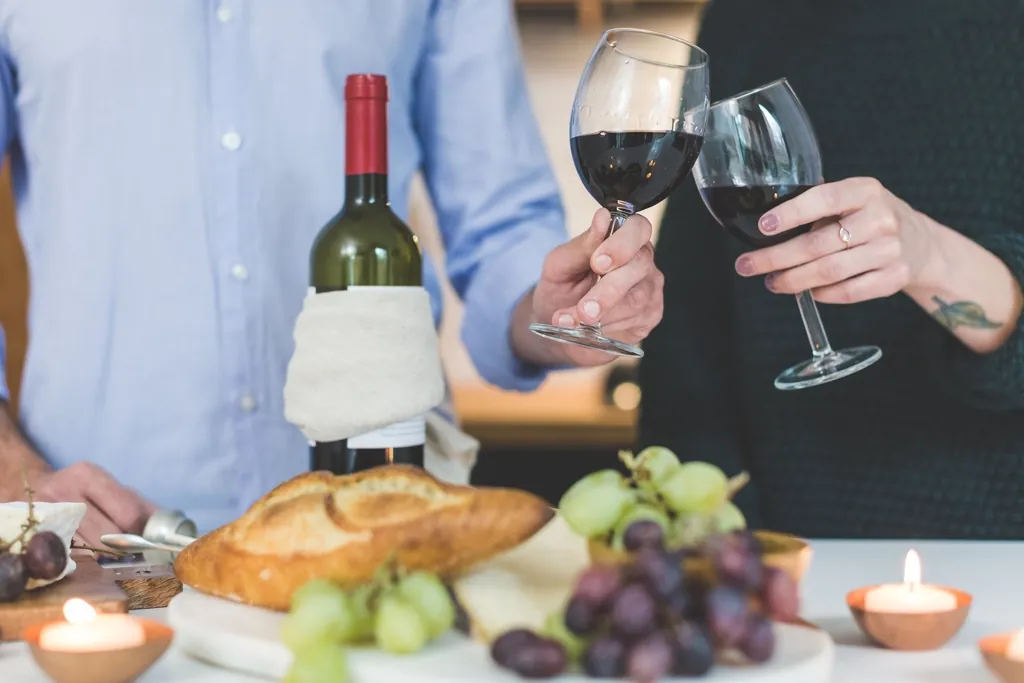
Wine calendar
Every season has its wine
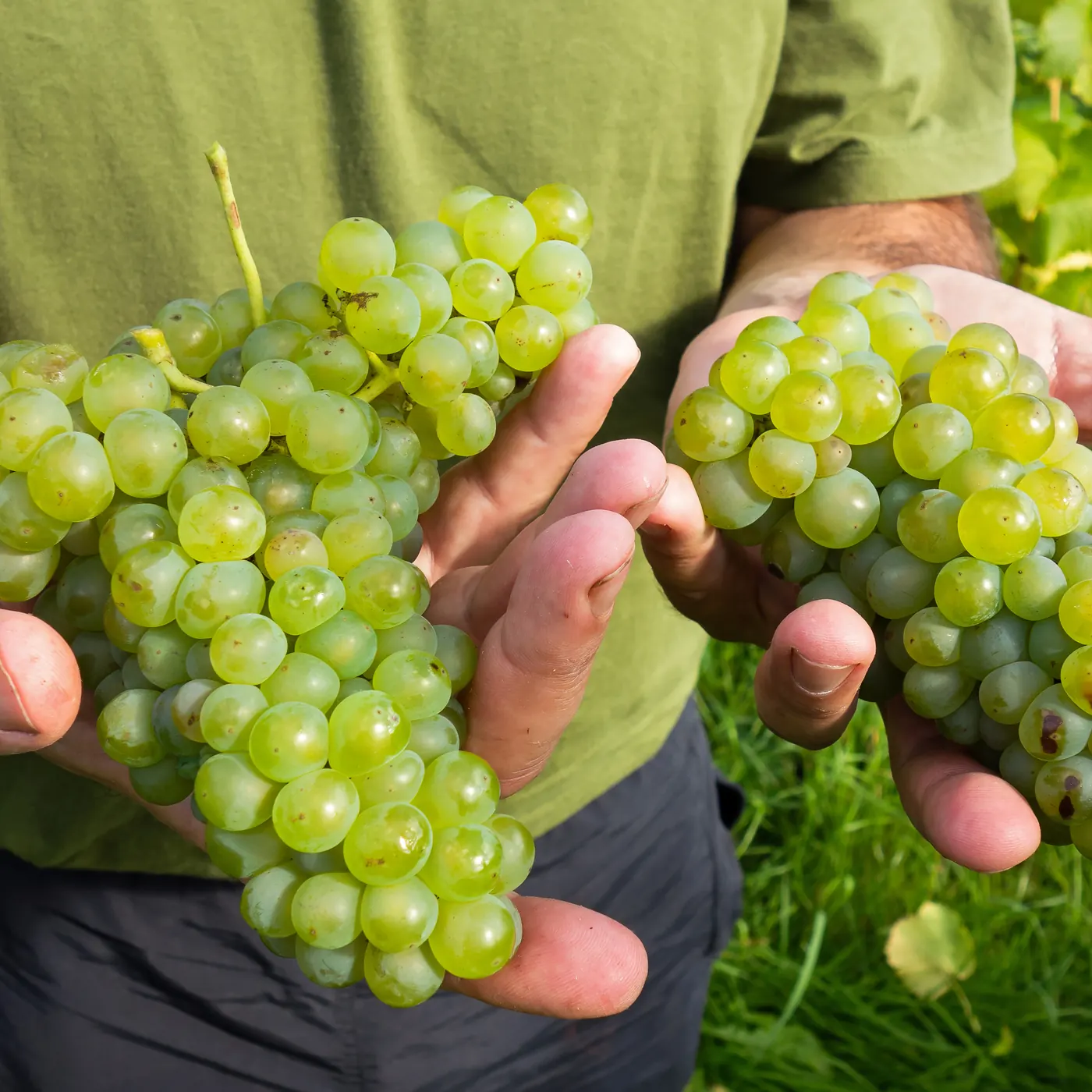
Something light and bubbly belongs with the first warmth.
- Frizzante on the terrace
- Irsai Olivér with the first salads
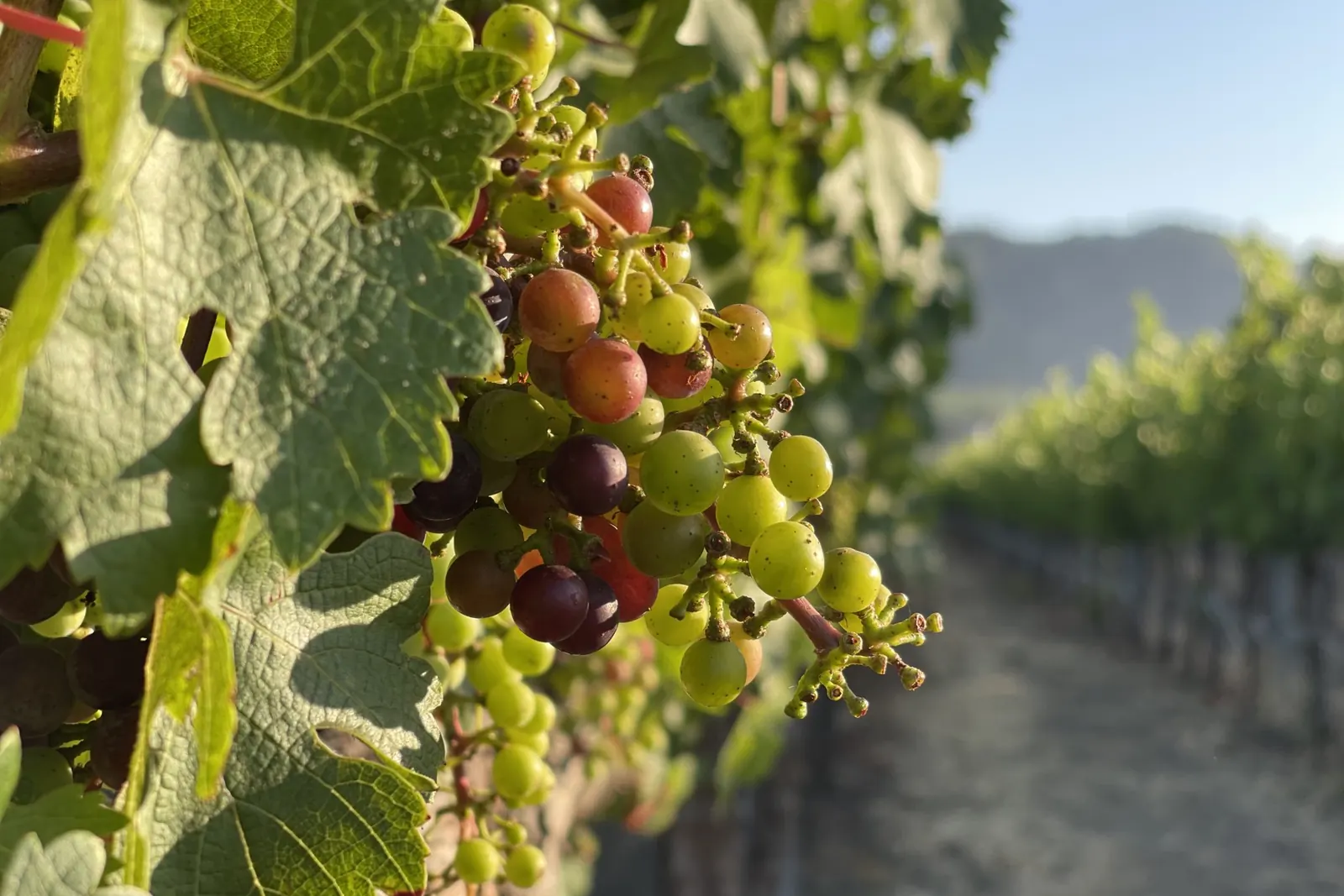
- In the vineyard, vines are pruned and tied
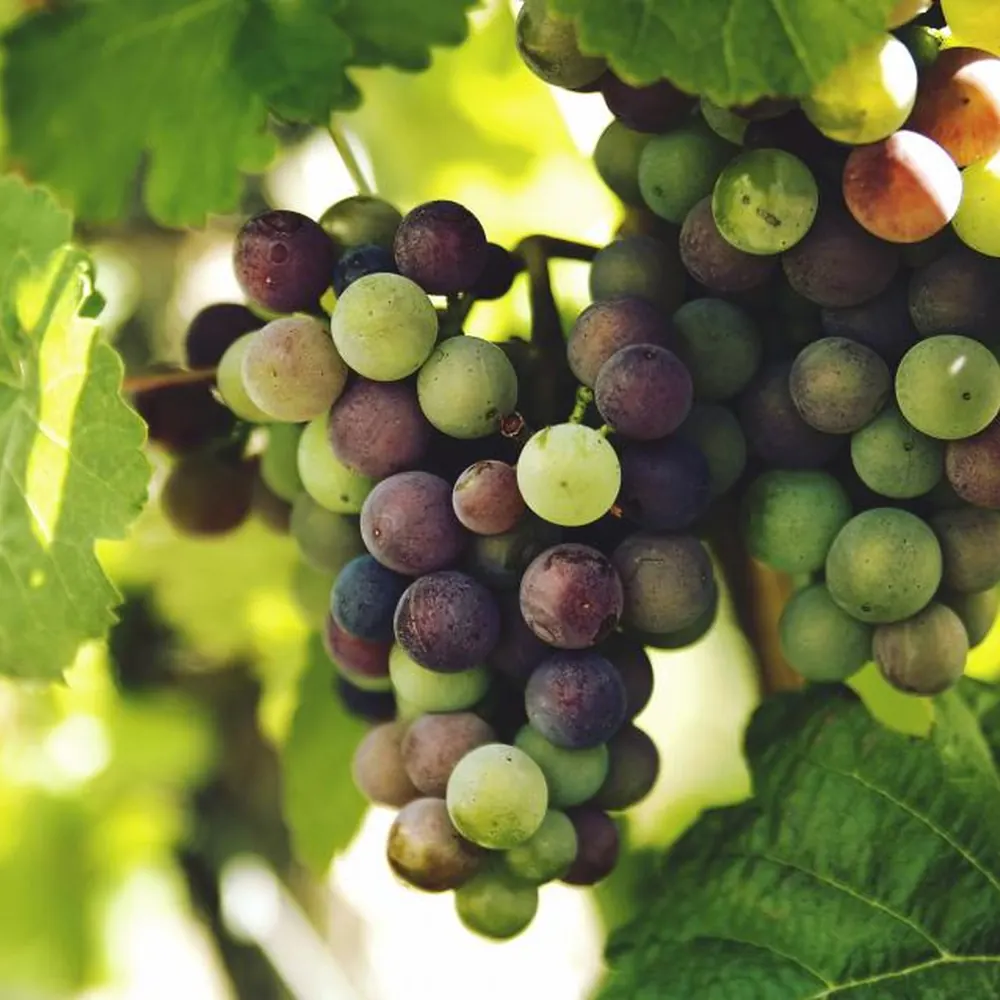
Dry whites and rosés, well chilled.
- Riesling with grilled fish
- Rosé for summer evenings
- The grapes gather sugar
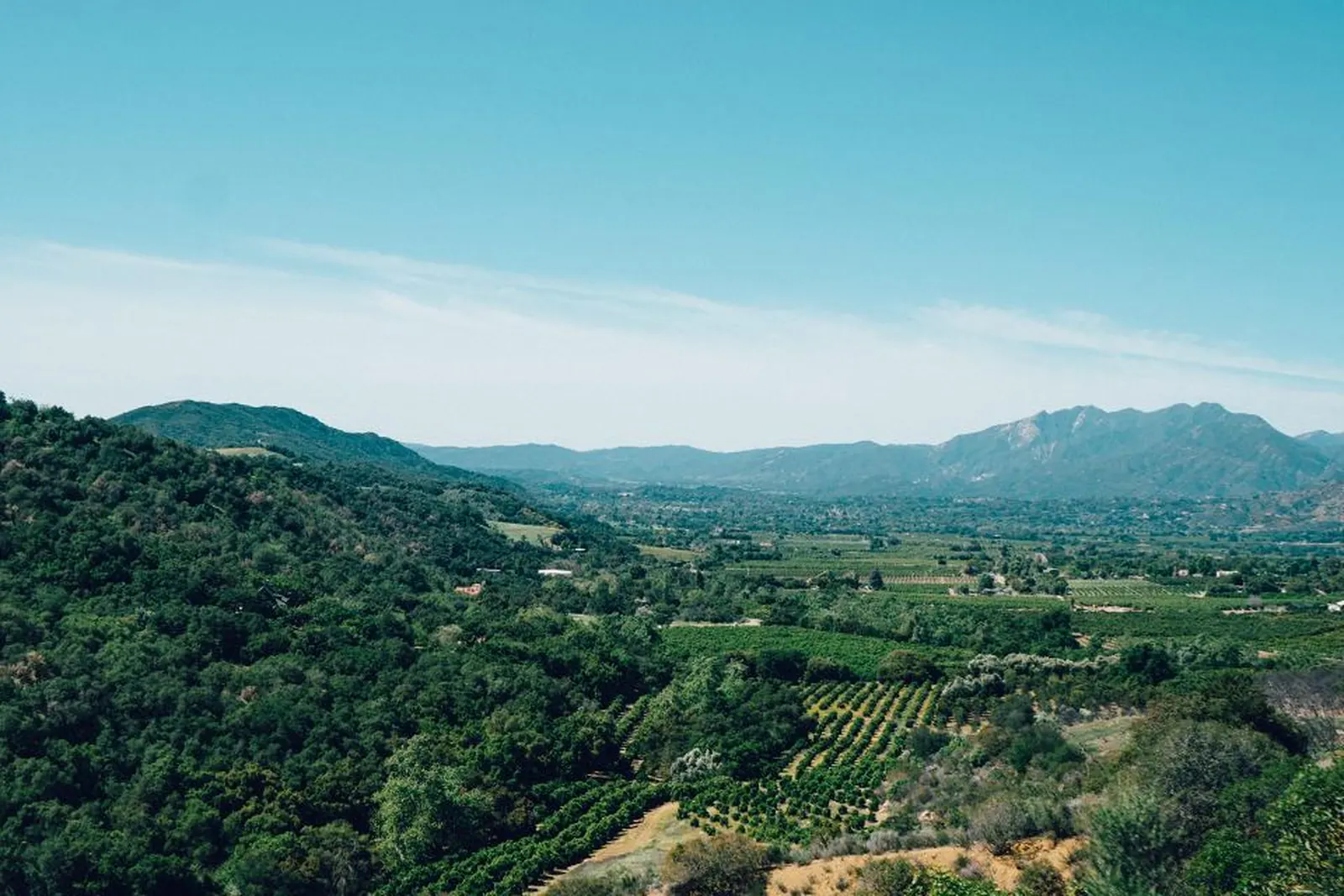
Harvest, young wine and fuller varieties with roasts.
- Gewürztraminer and Pálava with duck
- Burčiak and young wines
- In the cellar, the wine ferments
Fuller whites for the festive table and frizzante to end the year.
- Chardonnay with roast poultry
- Frizzante on New Year's Eve
- The wine rests and clears
The assignment to seasons is a suggestion based on wine type.
Eight more small things
What you probably don't know about wine
-
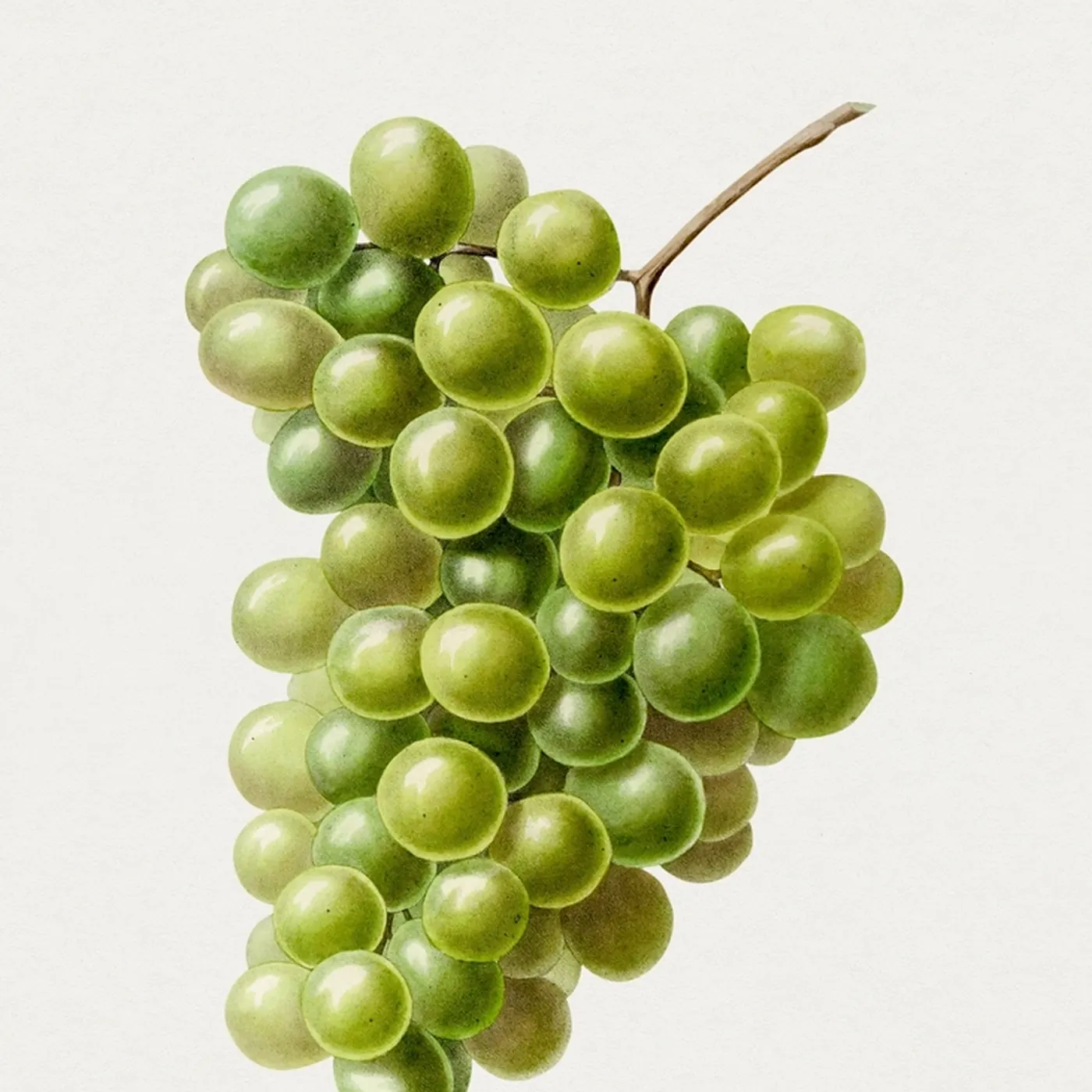
One bottle takes roughly a kilo and a quarter of grapes.
-
A hectare of vineyard typically gives four to eight thousand bottles — depending on variety and year.
-
Yeast turns sugar into alcohol. The more sugar the grapes had, the more alcohol the wine has.
-
In the bottle, wine matures more slowly than in the barrel. Glass lets no oxygen through, cork lets a little.
-
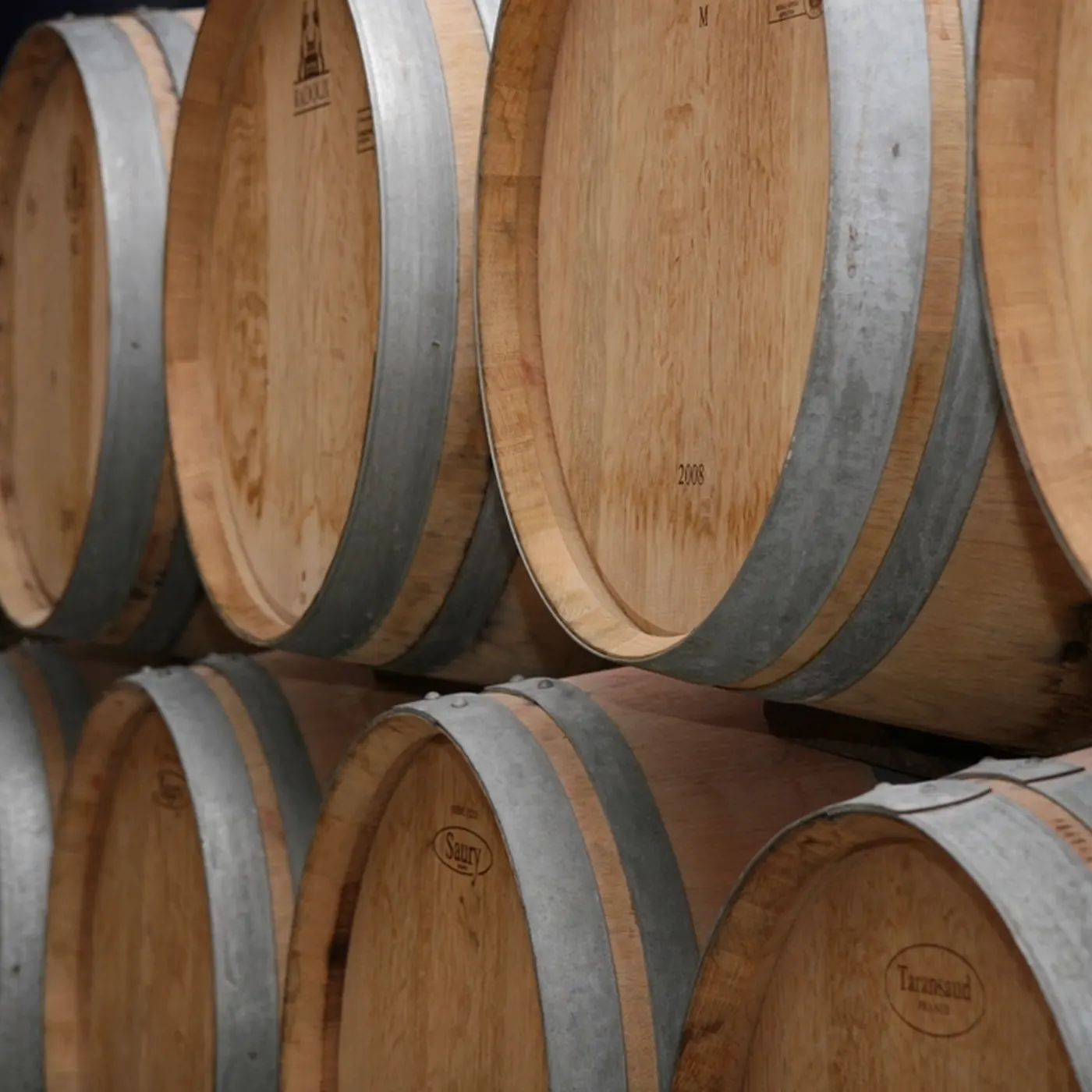
An oak barrel gives wine vanilla and spice; a stainless steel tank lets the variety speak loudly.
-
The bubbles in sparkling wine come from a second fermentation — in a tank or right in the bottle.
-
Bottles are stored lying down so the cork doesn't dry out. Upright only those with a screw cap.
-
A bottle that has once overheated cannot be saved. Heat is the only fault that can't be undone.